SEVENTH BLOG ENTRY : INNOVATION AND CHALLENGES IN MALAYSIAN AGRICULTURE
In recent years much of the technological innovations in agriculture have been
introduced from local research findings from government agencies (MARDI, MPOB, MCB,
MRB, FRIM, etc.) and the private sector (Golden Hope, Sime Darby, Guthrie, IOI, United
Plantation Bhd., Kuala Lumpur Kepong Bhd., Boustead Plantations Bhd., FELDA, etc.).
Government Bodies
1. MARDI

--Malaysian Agricultural Research and Development Institute
--It is a is a government body in Malaysia under Ministry of Agriculture and
Agro-Based Industry (MOA).
2. Malaysian Palm Oil Board (MPOB)

-- It is a government agency responsible for the promotion and development of the palm oil industry in Malaysia.
--It is one of agencies under Malaysia's Ministry of Plantation Industries and
Commodities.
3. Malaysian Cocoa Board (MCB)

--It is a federal statutory research and development agency under the Ministry
of Plantation Industries and Comodities (previously called Ministry of Primary
Industries Malaysia).
4. Malaysian Rubber Board (MRB)

--It is the custodian of the rubber industry in Malaysia.
Universities
1. Universiti Putra Malaysia (UPM)

2. Universiti Kebangsaan Malaysia (UKM)

3. Universiti Malaya (UM)

Private Sectors
1. Sime Darby

2. IOI

3. FELDA ( Federal Land & Development Authority)

4. FELCRA (Federal Land Consolidation and Rehabilitation Authority)

Research and Innovation Technology
1. Oil Palm


--It is Malaysia's golden crop contributing about RM30 billion to its gross
national product (GNP) annually.
--Improve the yield of oil palm to 35 tonnes fresh fruit bunches per hectare
per year, using the Tenera hybrid bred from the crossing of Dura and Pisifera
varieties in early years.
2. Rubber

-- The Malaysian Rubber Board (MRB)
-- Developed high yield and disease resistant
clones producing >3,500kg rubber ha-1 yr1 new innovation in rubber tapping
·
Puncture Tapping or Microtapping

- Increased in production of latex
- Produce yields with hormonal stimulation (Ethral) compared to conventional excision tapping
Latex-Timber Clone (LTC)
- Different clones (eg: RRIM928, RRIM929)
- Trunk harvested for timber industry
- Vitamin E has also been extracted from the latex
- Current production is sustained at 750,000 million tonnes yr1
3. Cocoa
- Produce yields with hormonal stimulation (Ethral) compared to conventional excision tapping
Latex-Timber Clone (LTC)
- Different clones (eg: RRIM928, RRIM929)
- Trunk harvested for timber industry
- Vitamin E has also been extracted from the latex
- Current production is sustained at 750,000 million tonnes yr1
3. Cocoa

-- Import from Indonesia to fulfill the
requirement of the many processing factories.
-- 2002 - Addition of biotechnology division of Malaysian Cocoa Board
-- Aim - To implement research and development in cocoa biotechnology as well to provide services to the entire cocoa industry.
-- Cocoa biotechnology research:
-- 2002 - Addition of biotechnology division of Malaysian Cocoa Board
-- Aim - To implement research and development in cocoa biotechnology as well to provide services to the entire cocoa industry.
-- Cocoa biotechnology research:
a) Agrobiotechnology to improve productivity, production and efficiency
b) Biotechnology enhanced - quality of cocoa products with respect to safety and health
c) Industrial and pharmaceutical biotechnology to obtain new products such as bioactive compound, associated microbes in the cocoa environment, cocoa waste and etc.
4. Paddy
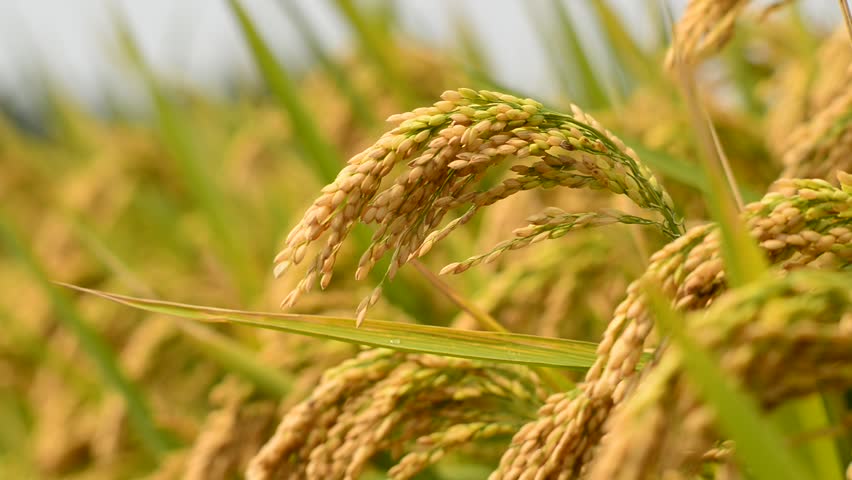)
-- Achieves only 70% self-sufficiency in rice
-- Major production centres (rice bowls) MADA (Kedah-Perlis), KADA (Kelantan), and Sawah Sempadan-Tanjung Karang (Selangor)
-- Government aims to raise the yield to 10 tonne ha-1 with the use of new technology
-- Popular varieties: MR220, MR219, MR211, MR81
-- Malaysia will strive to achieve 90% of self-sufficient level (SSL) in the near future.
Vita-Grow - Paddy Fertilizer
 |
| Vita-Grow |
-- Specially formulated chemical fertilizer.
-- Successful in doubling paddy yield and producing better
Zappa
 |
| Zappa |
-- UPM product that enhances rapid germination and tillering
5) Livestock

-- Grow at the rate of 3.1% per annum from RM953 million in1995 to RM1.1 billion in 2000
-- Integration of livestock rearing in oil palm plantations
-- Reducing management cost
-- Land development agencies - FELDA, RISDA, FELCRA
-- Hybridization : New breed of cattle named BRAHMAS; across-breed between imported Brahman and local Kedah-Kelantan breed
- More resistant to disease
6) Fisheries
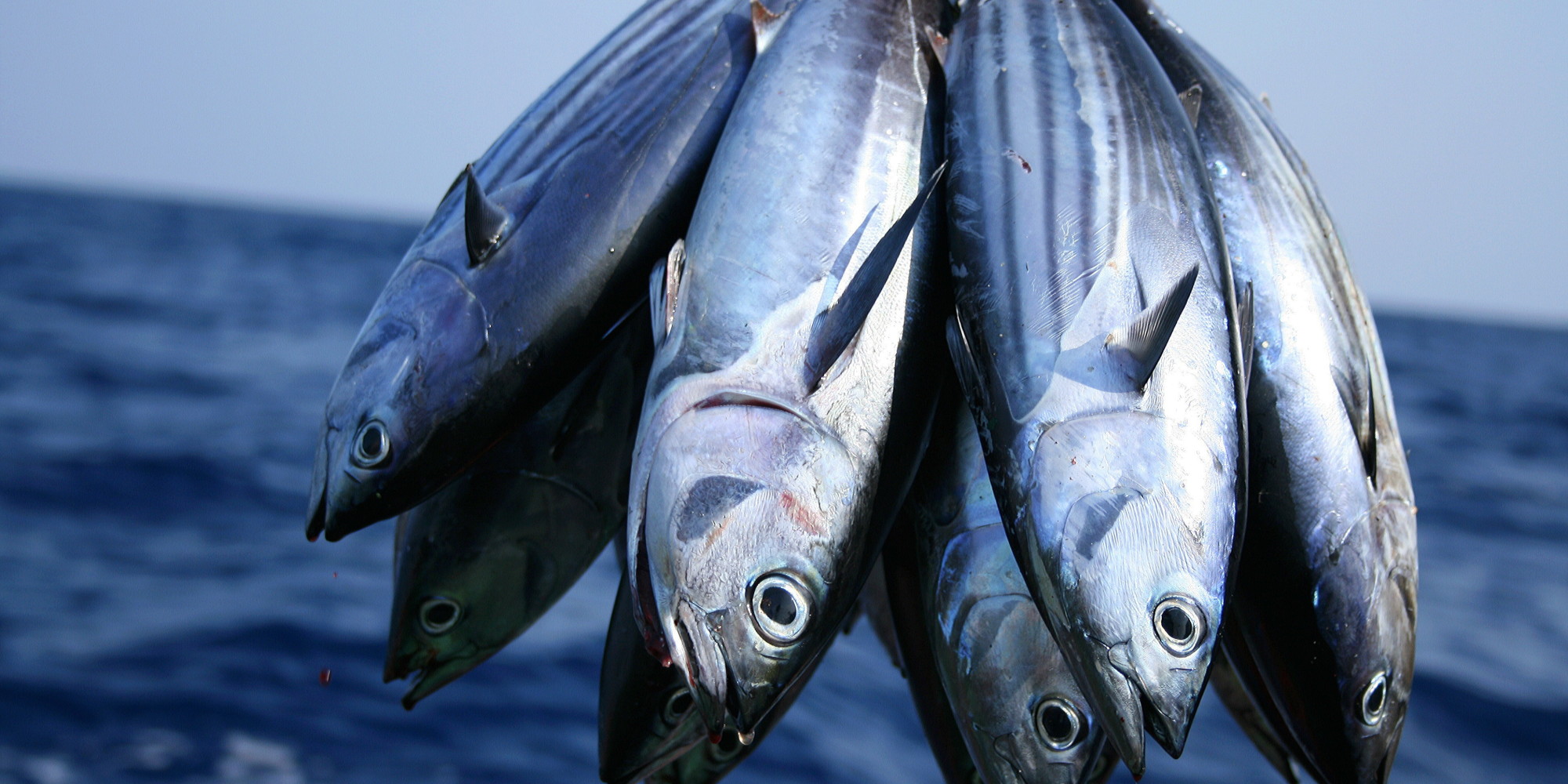
-- Aquaculture is cultivation of natural produce of water such as fish, shellfish, algae and other aquatic animals.
-- Also known as aquafarming; the term is distinguished from fishing by the idea of active human effort.
-- The government is encouraging locals to adopt aquaculture by constructing ponds and raising fishes in net cages in rivers, lakes and sea shores.
-- A rapid detection kit has been developed to detect white spot syndrome virus (WSSV) disease in prawns
7) Fruits, Flowers and Vegetables
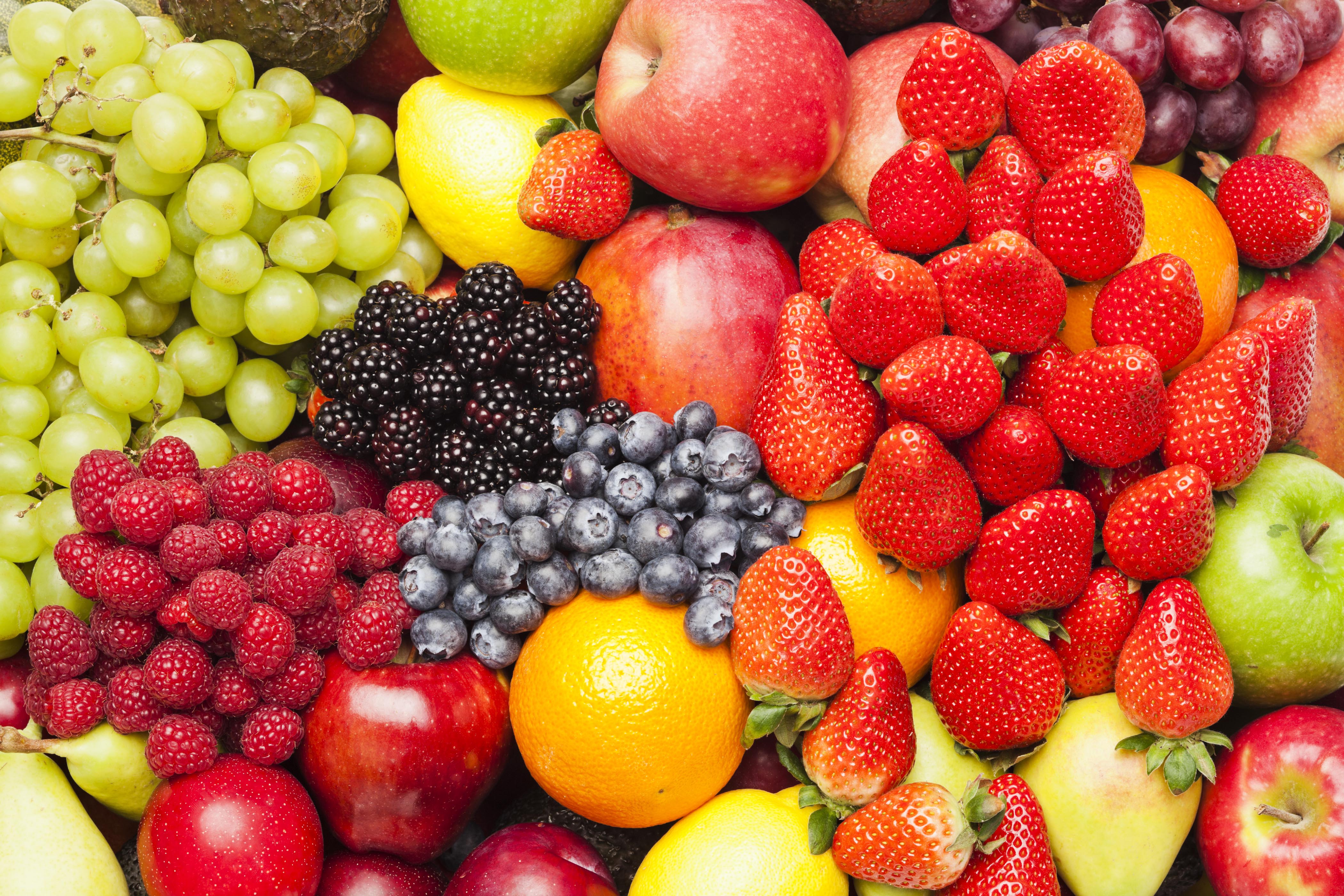
--Research has been conducted to improve commercial production of banana, pineapple, papaya, starfruits, mango, durian, watermelon, jackfruits, rambutan and ciku.
 |
| Flowers such as orchids is a growing industry. |
 |
| Mushroom which are strictly fungi but considered as ‘vegetables’ is a growing industry in Malaysia. |
8) Bioagents

-- Innovations using biological organisms can be found in the form of biofertilizers such as Rhizobium and biocontrol agents.
-- UPM has formulated naturally occuring antagonistic fungi, effective against diseases of vegetables.
9) Precision Agriculture

--This is a new innovation in agriculture. It is also known as 'site specific management'.
--This approach has initially attracted the interest of plantation sector
--It is being practised partly in oil palm and paddy growing areas.
--This approach has initially attracted the interest of plantation sector
--It is being practised partly in oil palm and paddy growing areas.
Future Challengers In Agriculture
There are several
challenges now facing the agriculture industry.
1. Labour
--There are dependence of foreign labour with some estates employing 100% foreigners particularly those from Indonesia and Philippines,
--Cost of labour has been rising steadily
--Local youths are less interested in agriculture, preferring to work in factories and offices
--There are dependence of foreign labour with some estates employing 100% foreigners particularly those from Indonesia and Philippines,
--Cost of labour has been rising steadily
--Local youths are less interested in agriculture, preferring to work in factories and offices
2. Price
--Increase in the price of fertilizers, seeds, tools, and equipment has effected the cost of agriculture production
--Market price is also elastic and problematic at the times
--Increase in the price of fertilizers, seeds, tools, and equipment has effected the cost of agriculture production
--Market price is also elastic and problematic at the times
3. Crop Choice
--Big conglomerates are not interested in agriculture other than planting oil palm and rubber
--Big conglomerates are not interested in agriculture other than planting oil palm and rubber
4. Agricultural Technology
--The benefit from prospecting and developing the potential and applications of new and frontier technology are not yet to be realized.
- The use of plant cell and tissue culture techniques as well as genetic engineering to complement conventional plant breeding in developing new crop varieties.
- The use of plant cell culture to enhance the development of new and innovative products including metabolites.
- The application of embryo manipulation technology
- The incorporation of robotics and artificial intelligence as well as computer modelling, including expert systems and computer simulated scenario analysis.
5. Resources
-- Resources
have to be carefully managed in order that agriculture could be sustained.
-- The main challenges in the future is to enable continuous crop production with high yield per unit areas.
--Land development will slowly encroach into fragile soils, especially peat and steep lands.
--This results in soil degradation
--Water resources management is also an important issue as only 21% of the country' heavy rainfall is being used currently.
-- The main challenges in the future is to enable continuous crop production with high yield per unit areas.
--Land development will slowly encroach into fragile soils, especially peat and steep lands.
--This results in soil degradation
--Water resources management is also an important issue as only 21% of the country' heavy rainfall is being used currently.


Comments
Post a Comment